

How heads-up poker changes the rules you thought you knew
When you move from full-ring or six-max games to heads-up play, the arithmetic and psychology change dramatically. You can no longer rely on tight preflop ranges or multi-way pot dynamics; instead, you’re in a constant two-player duel where every street matters. Understanding why heads-up requires a new approach helps you prioritize aggression, position, and mental leverage right away.
What shifts immediately in heads-up play
- Hand values widen — Hands that are marginal in a full table are often playable heads-up because you’re up against a single opponent.
- Action frequency increases — You’ll be in more pots and facing more decisions, which rewards good fundamentals and a consistent approach.
- Blinds and positional advantage loom larger — Being on the button (dealer) means you act last on postflop streets and can apply pressure more effectively.
- Psychological swings amplify — Small momentum shifts or tilt can change results quickly, so emotional control matters as much as technical skill.
How to use aggression and position to control heads-up pots
In heads-up play, aggression is not just a stylistic choice — it’s a primary tool. If you play passively, your opponent can steal initiative, dictate bet sizes, and exploit you. Conversely, well-timed aggression forces opponents into mistakes or folds, turning marginal holdings into profitable plays. Position magnifies this effect because acting last gives you more information and lets you choose how to steer the hand.
Practices for effective, controlled aggression
- Open-raise frequently — Use wide opening ranges from the button to build pots with initiative and deny your opponent free cards.
- Mix bluffs with value bets — Balance your aggression so observant opponents can’t fold whenever you bet; include both pure bluffs and thin value bets.
- Use continuation bets selectively — Continuation bets are powerful, but pick textures where your range connects with the flop; over-c-betting can become exploitable.
- Adjust to opponent tendencies — If they fold too much, increase your bluff frequency; if they call down light, tighten and value-bet more.
Leveraging position: specific adjustments you can make
When you’re on the button, you should be opening the pot with a wider range and applying pressure postflop. When out of position, focus on defending selectively and using check-raises or well-timed checks to counteract your opponent’s aggression. Pay attention to bet sizing: smaller bets can be used to control pot size when you have marginal hands; larger bets extract value or put maximum pressure when you sense weakness.
These tactical choices set the stage for the psychological layer of heads-up play — reading opponents, inducing errors, and making momentum work for you. In the next part, you’ll learn how to interpret physical and betting tells, craft exploitable narratives, and combine mental game techniques with the aggression and positional strategies outlined here.
Reading tells and betting patterns that actually matter
In heads-up play, every micro-behavior and bet sequence becomes a piece of information. But not all tells are created equal — prioritize reliable, repeatable signals over flashy anecdotes. Split your reads into behavioral (physical or timing) tells and mechanistic (betting pattern) tells, and weight them by consistency.
- Timing tells (online and live) — Quick snaps frequently indicate a routine decision (either marginal or habitual), while long tanks can signal polarization: either a massive fold-or-call decision or a manufactured difficulty. Watch for deviations from an opponent’s baseline timing; sudden speed changes are more meaningful than absolute response times.
- Bet sizing tells — Size is language. Small, blocking bets often say “I don’t want a big pot” (weakness or fear); medium bets can be range-smoothing; large bets and overbets are usually polarized toward strong value or a shove-bluff. Track which sizes an opponent uses for bluff vs value and exploit mismatches.
- Sequence patterns — Some players always c-bet flop, rarely barrel, or use check-raises as bluffs. Map these tendencies: an opponent who never barrels is fold-prone on the turn after consistent action; one who check-raises frequently may be abusing aggression and can be called down lighter.
- Physical tells (live only) — Look for posture, eye contact, chip handling, and breathing. Again, baseline matters: an anxious player might always fidget; what counts is change from their norm.
Collect small clues across hands and form probabilistic reads rather than binary beliefs. Use betting patterns to assign ranges, then test those ranges with calibrated aggression — a probe bet or a sizing shift can confirm or refute your read quickly.

Crafting narratives to induce mistakes
Poker is storytelling with chips. The most effective bluffs and value lines are those that create a coherent story from preflop to river — a sequence that makes your opponent’s best response look wrong. Think three streets ahead and choose lines that are believable given your position and past actions.
- Build a believable line — If you want to represent a big hand on the river, your flop and turn actions must be consistent. A river overbet from a player who checked the flop and turn will look suspicious; a line that escalates makes sense to a reasonable opponent.
- Use blockers and card removal — Holding key cards that reduce the opponent’s strong combos (like an ace or a flush card) lets you bluff with higher credibility. Mentioning cards isn’t needed; simply leverage them when sizing and sequencing to tell your story.
- Induce errors with sizing — Bet sizes can force incorrect math: a size too large for a marginal caller or too small to get the right price can push opponents into folds or calls they shouldn’t make. Adjust based on observed tendencies.
- Occasional deception — Mix in check-raises, delayed c-bets, and river bluffs to keep your lines unexploitable long-term. But only when it fits the narrative; random deception is noticed and punished in heads-up play.
Mental game techniques to keep your edge
Technical skill gets you the plan; mental strength lets you execute it. Heads-up amplifies variance and psychological pressure, so cultivate routines that stabilize your decision-making.
- Short memory — Treat each hand as its own world. Don’t let a bad beat or a lucky river dictate your next decisions.
- Pre-shot routines — Develop a quick checklist (read opponent’s line, assign range, decide plan, pick sizing) to avoid emotional or hurried choices when stakes feel high.
- Tilt management — Recognize early signs (rushed play, reckless aggression) and use micro-breaks, breath control, or a set stop-loss to reset before continuing.
- Use table talk and timing strategically — In live play, calm, consistent speech and confident timing can mask your reads; shorter responses often convey strength. Never rely solely on chatter, but use it to nudge opponents off balance when appropriate.
Combining reliable reads, coherent narratives, and disciplined mental habits turns aggression and position into sustainable edges rather than short-term fireworks. In the next part we’ll tie these techniques together with practical drills and session planning to keep your heads-up game improving steadily.
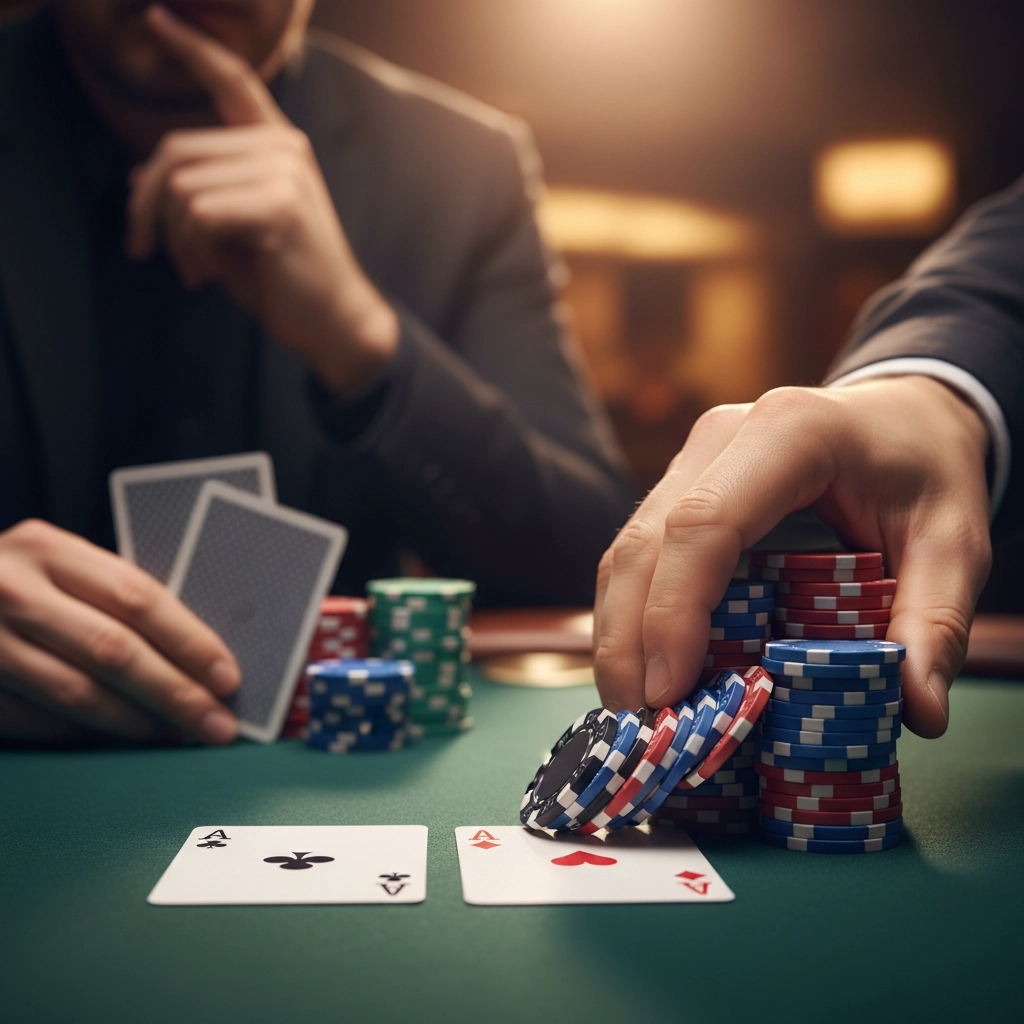
Putting strategy into practice
Heads-up poker rewards iteration more than inspiration. Turn the principles you’ve learned into deliberate drills: short practice sessions focused on opening ranges, targeted hand-reading exercises, and review periods where you catalog opponent tendencies. Pair those drills with the mental routines and stop-loss rules that keep your decision-making sharp under pressure. Over time, the combination of structured practice and on-table adaptation will make aggression, position, and psychological lines feel automatic rather than forced.
- Set small, measurable goals for each session (e.g., widen your button open-raise range by X%, or reduce unforced folds on the river).
- Use hand-history review and simple HUDs or tracking tools to spot recurring mistakes and confirm profitable adjustments.
- Keep mental-game habits consistent: short memory, pre-shot checklist, and controlled breaks when needed.
- Consult quality resources for drills and range guidance — for example, explore practical exercises at Upswing Poker.
Frequently Asked Questions
How wide should I open-raise from the button in heads-up play?
Open-raise ranges should be considerably wider than at a full table, but the exact width depends on opponent tendencies. Against a passive opponent you can widen more to exploit folds and thin value; versus a sticky caller you might tighten slightly and focus on hands that play well postflop. Start with a broad base and adjust using session feedback.
When is it better to bluff versus to make a thin value bet?
Prefer bluffs when your narrative (board texture, blockers, and previous actions) credibly represents a strong hand and the opponent has shown fold propensity. Choose thin value bets when your opponent calls down light or when your hand has real showdown equity. Balance is key: mix both to avoid becoming predictable.
What are quick ways to manage tilt during high-variance heads-up sessions?
Use a short pre-shot checklist to ground decisions, implement micro-breaks after a predetermined loss or sequence, and set session stop-loss limits. Breathing exercises and a “short memory” rule—treat each hand independently—also reduce the chance that emotions will dictate strategy.